AI Content Generation and Its Risks Explored
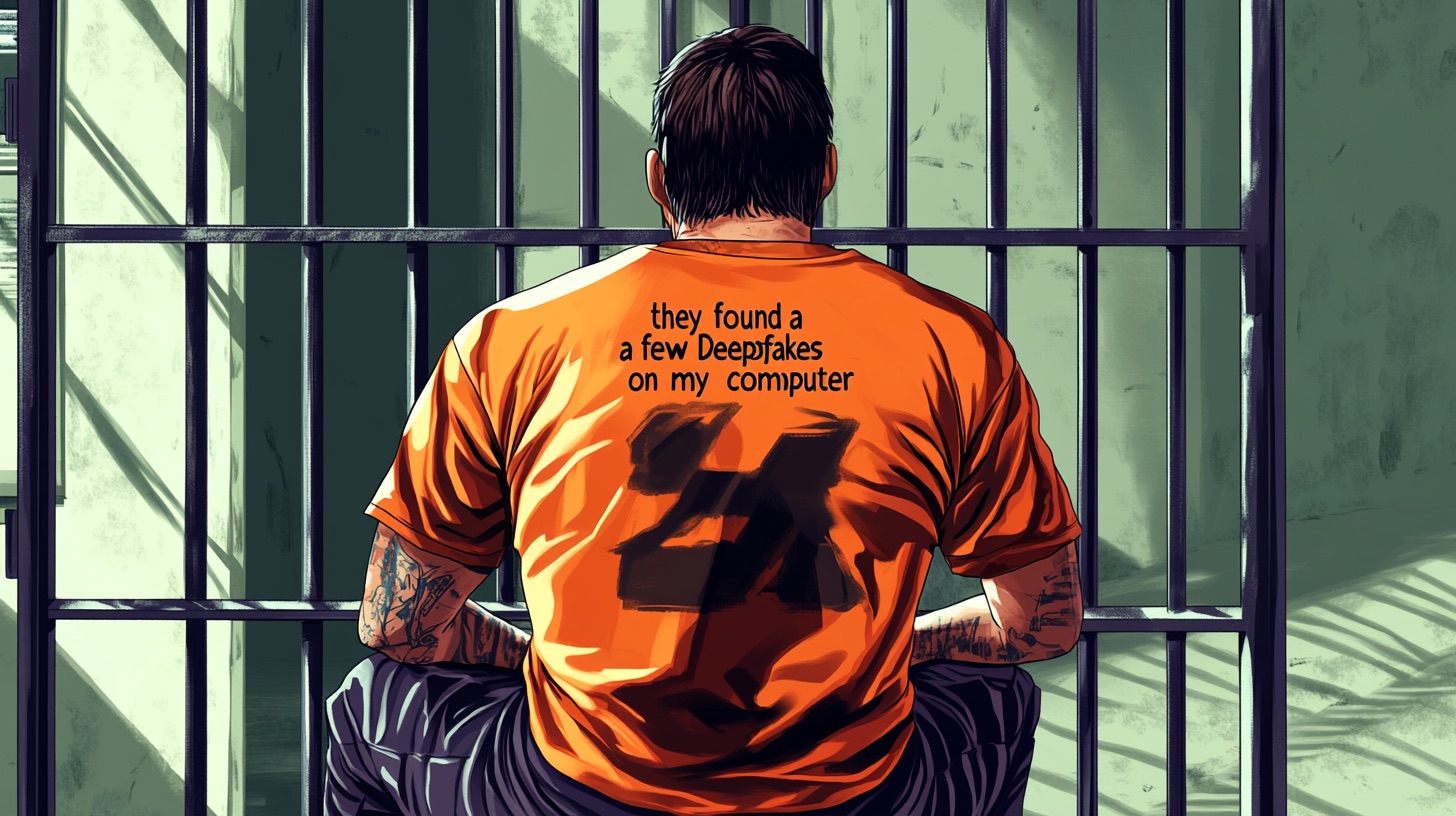
AI automation can be misused to rapidly generate and distribute harmful deepfakes at scale. By combining deepfake generation tools with automated workflows, such as scheduling bots, fake account creation, or content spamming, malicious actors can spread manipulated videos across platforms with minimal human effort, increasing both reach and impact.
A notable development occurred in South Korea, where new legislation criminalizes the possession and viewing of sexually explicit deepfake images and videos. The new law, awaiting the president's signature, comes amid rising concerns over deepfake-related crimes, particularly among minors, with teenagers accounting for 80% of recent arrests.
This shift mirrors global trends in AI regulation, with various countries adopting different approaches based on their unique priorities. While some, like the EU and China, have implemented hard legislation, others, including the UK, US, and Singapore, prefer softer, innovation-friendly frameworks.
The Risk-Based Approach
Despite differing strategies, there is a commonality among many countries in regulating AI: the risk-based approach. This method, often used in areas like Anti-Money Laundering (AML), Counter-Terrorism Financing (CTF), and General Data Protection Regulation (GDPR), classifies AI systems based on their associated risk levels. For instance, the EU has adopted a framework that subjects high-risk AI systems to stringent requirements. On the other hand, lower-risk systems, like chatbots, face lighter regulatory measures.
Hard vs. Soft Law — Balancing Innovation vs. Regulation
Singapore
Singapore opts for a soft-law approach through its Model AI Governance Framework and its AI Verify initiative. These frameworks promote voluntary, industry-led compliance with principles of transparency, fairness, and accountability. Rather than punitive measures, Singapore emphasizes building a trusted AI ecosystem through collaboration with international stakeholders. The country argues that existing, non-AI laws are sufficient to address malicious AI offenses and in my opinion they have a point! Singapore is determined to quickly adjust its policy as the AI landscape evolves.
EU
The EU decided on hard law, because past experience has shown that soft law is often not effective in an EU context. The EU Act takes a hard-law approach and bans high-risk AI systems that pose unacceptable risks to human rights and democratic principles. Despite hard coding the law provisions, the text has been designed to endure over time, acknowledging the EU's complex structure and approval process. Violators face fines of up to €35 million or 7% of global annual sales. Some of the banned practices include:
- Emotion Detection: AI systems are prohibited from inferring emotions in sensitive environments like schools and workplaces.
- Social Scoring: Credit institutions must evaluate an individual's creditworthiness on relevant financial data, and for example not on information found on social media.
- Criminal Profiling: Authorities cannot predict the criminal intentions of an individual based on profiling and without concrete evidence.
USA
Unlike the EU or Singapore, the US lacks a unified federal AI law. Instead, states like California have led the charge with laws addressing specific AI concerns, such as deepfake election interference ahead of the 2024 elections. Other states, like Texas and Illinois, have implemented AI regulations for the hiring processes.
UK
The UK has taken a light-touch regulatory approach, focusing primarily on promoting AI innovation. Recently, however, it has begun positioning itself as a leader in AI safety research, securing agreements with major players like Google DeepMind and OpenAI. The AI Safety Bill, which mandates independent safety assessments of advanced AI systems, has been delayed.
Challenges Ahead for AI Regulation
Despite progress, AI regulation faces several hurdles:
- Data Flow and Enforcement: Cross-border data handling and enforcing fragmented regulations demand robust frameworks and international cooperation.
- Global Harmonization: Divergent approaches across countries make global alignment difficult. Initiatives like the G7's Hiroshima AI Process show promise, but establishing consistent standards will be slow and complex.
- Innovation vs. Regulation: Balancing innovation with risk management is crucial. Overly strict laws could stifle AI development, while lenient regulations may lead to misuse. I discussed this with a variety of companies in Singapore and The EU. Companies support legislation around AI safety, however the majority of startups fear the compliance efforts.
- AI Misuse: Issues like deepfakes and bias challenge current laws. Legislation often lags behind AI advancements.
Deepfake regulation is part of the broader challenge of AI governance and responsible deployment. The growing use of shadow AI in organizations underscores the need for robust frameworks that address both deliberate misuse and accidental risks. As businesses adopt AI, they must also consider intellectual property issues and implement appropriate safeguards.
Fast Forward 2030
The future of AI regulation remains complex and uncertain, and South Korea's recent decision may spark controversy, despite its noble intentions. While Korea's legislation solely eyes sexually explicit content, it's not hard to imagine that similar laws could be enacted targeting non-sexually explicit deepfake content.
As autonomous AI agents reshape traditional software models regulatory frameworks will need to adapt to address new forms of AI deployment and potential misuse. The challenge will be creating flexible, enforceable standards that protect society while enabling innovation.
Rainmakers SG helps small and medium businesses design safe and scalable Agentic AI systems that provide immediate ROI!